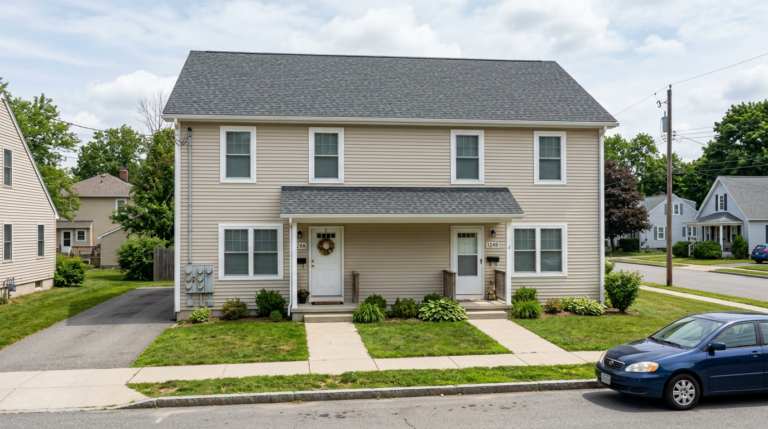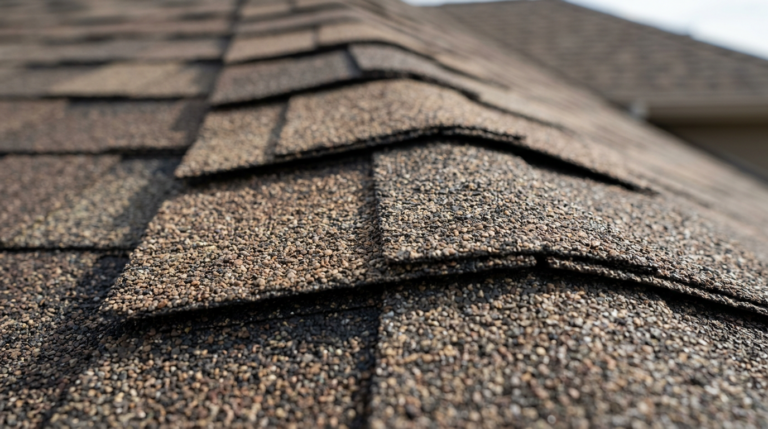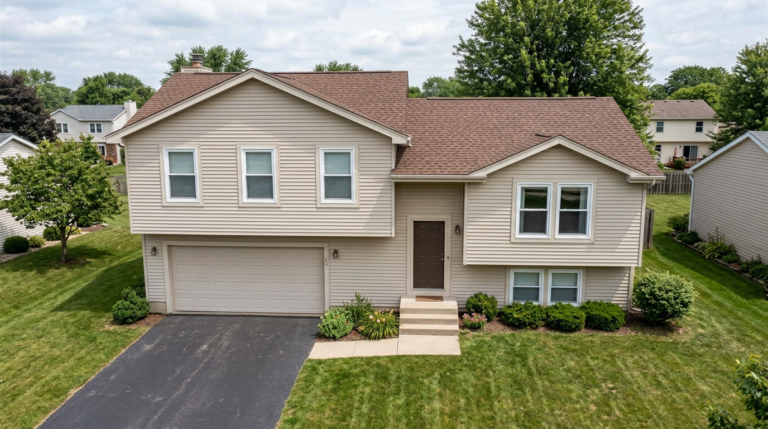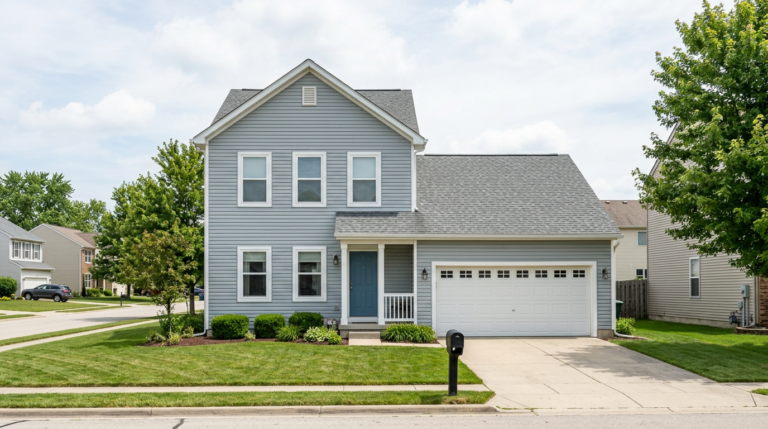
Roof leaks are one of the costliest and most stressful problems a homeowner in St. Joseph, Missouri can face. The good news is that most leaks are preventable. Peak 2 Peak Roofing and Construction serves homeowners throughout St. Joseph and surrounding communities in northwest Missouri and northeast Kansas. We provide free roof inspections, expert repairs, and honest guidance to help you keep your roof watertight year after year. We are available 24/7 for emergency roof situations and respond quickly throughout Buchanan County, Cameron, Savannah, Platte City, Lathrop, Smithville, Weston, and every community in between.
Roof leaks rarely appear without warning. Water is patient. It finds the smallest vulnerability in your roofing system and exploits it slowly. By the time you see a stain on your ceiling, the leak has usually been active for weeks or even months. The damage has already spread to your underlayment, decking, insulation, and possibly your framing. According to the National Roofing Contractors Association, moisture infiltration is the leading cause of premature roof system failure. Preventing leaks before they start is always far less expensive than repairing the damage they cause.
Northwest Missouri’s climate creates specific leak risks. St. Joseph experiences hot, humid summers that cause roofing materials to expand and degrade. Severe spring and fall thunderstorms deliver hail and wind. Winter ice storms create ice dam conditions on roofs with poor ventilation. Every season brings a new threat. Understanding these threats and taking specific preventive steps protects your home through all of them.
Schedule Professional Roof Inspections Twice Per Year
The single most effective way to prevent roof leaks is to have your roof professionally inspected at least twice per year — once in spring after winter weather and once in fall before the cold months return. A trained inspector finds problems before they become leaks. Cracking caulk around flashing. A pipe boot starting to tear. A few shingles whose seal strips have lost adhesion. These issues cost very little to fix before they fail completely. After they fail, the repair bill includes water damage to the interior of your home.
After any significant storm in St. Joseph, schedule an additional inspection. Hail damage is especially deceptive. The bruising left by hailstones is invisible from the ground but compromises the waterproofing layer of your shingles. Roofs that looked fine after a storm often develop leaks in the following season when weakened shingles fail under rain and temperature cycling.
Our free professional roof inspection service covers every section of your roof. We document findings with photos and give you an honest assessment of what needs attention. There is never any pressure to purchase additional services.
Keep Gutters and Downspouts Clear and Functional
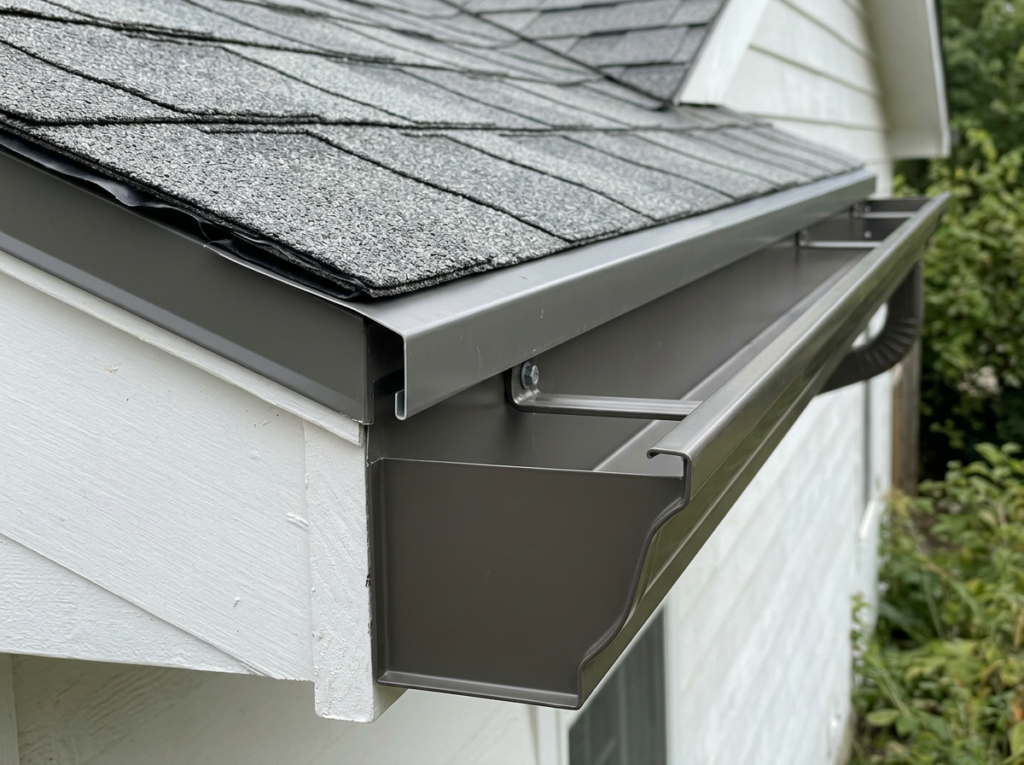
Clogged gutters are a leading cause of roof leaks in St. Joseph homes, especially in neighborhoods with mature trees near the roofline. When gutters fill with debris and overflow, water backs up under the roofing edge at the eaves. This is called fascia rot, and it eventually opens a pathway for water to enter your attic and interior wall cavities. Ice dams in winter form directly above clogged gutters where standing water freezes and expands under the shingles above.
To prevent gutter-related leaks:
- • Clean gutters and downspouts at least twice per year — after leaf fall in late autumn and again in early spring
- • Check that downspouts discharge water at least six feet from your foundation
- • Make sure gutters are sloped correctly toward downspouts with no flat or reverse-pitch sections
- • Inspect gutter brackets and hangers for loosening. Sagging gutters hold standing water year-round
- • Consider gutter guards to reduce debris accumulation in heavily treed areas
Our seamless gutter installation service uses 5-inch and 6-inch K-style aluminum gutters sized for your roof’s drainage requirements. A properly sized and installed gutter system is a key part of your leak prevention strategy.
Inspect and Maintain All Roof Flashing
Flashing is the metal or rubberized material that seals every joint, edge, and penetration on your roof. It is the most common source of roof leaks in St. Joseph homes. Chimneys, pipe vents, skylights, valleys, dormers, and wall-to-roof transitions all rely on flashing to keep water out. When flashing separates, corrodes, or loses its sealant, water enters immediately.
Key flashing maintenance steps:
- • Have a professional inspect all chimney flashing annually. The thermal expansion of the chimney causes step and counter flashing to separate over time.
- • Check rubber boots around plumbing vent pipes every few years. UV exposure causes rubber to crack and tear, typically within 10 to 15 years of installation.
- • Inspect valley flashing where roof slopes meet. Valleys concentrate water flow. Any damage here creates a high-volume leak.
- • Make sure all caulked flashing joints are still sealed and flexible. Hard, cracked caulk no longer waterproofs effectively.
📞 Call for a Free Leak Prevention Inspection: (816) 269-7874
Replace Damaged or Missing Shingles Promptly
A single missing shingle is not a minor cosmetic issue. That gap exposes your underlayment to direct rain and UV damage. The underlayment degrades far faster than intact shingles. Once the underlayment fails, water reaches the wooden decking below. Wood rot in the deck is a far more expensive repair than replacing one or two shingles.
After any windstorm in St. Joseph, walk the perimeter of your home and look for shingles on the ground or in your yard. If you see them, call us right away. Small repairs addressed within days of the storm cost a fraction of what delayed repairs end up costing.
We also recommend checking for shingles with broken seal strips. Shingles that have lifted even slightly at their lower edge will admit wind-driven rain at high volumes during a storm. A visual inspection on a calm day can identify these before the next storm arrives.
Ensure Proper Attic Ventilation
Attic ventilation is one of the most overlooked factors in roof leak prevention. When your attic cannot breathe properly, moisture builds up from inside the home, condensing on the cold roof deck in winter. This interior moisture source rots decking from the inside out and creates conditions for mold growth, all without a single drop of rain ever entering through a broken shingle or failed flashing.
In summer, an under-ventilated attic builds extreme heat — sometimes exceeding 150 degrees Fahrenheit. That heat degrades roofing materials from below, shortening the life of your shingles and underlayment significantly.
Signs of ventilation problems include:
- • Ice dams forming along the eaves in winter
- • Shingles that are aging and cracking faster than expected
- • Mold or moisture on rafters or sheathing in the attic
- • Excessive heat in upstairs living areas during summer
- • Frost on the underside of the roof deck in cold weather
Our inspectors assess attic ventilation during every free inspection. Soffit vents, ridge vents, and gable vents must work together to create balanced airflow. We identify ventilation deficiencies and recommend corrections before they cause roof damage.
Trim Trees Overhanging the Roof
St. Joseph’s mature, tree-lined neighborhoods are beautiful. But overhanging branches directly threaten roof longevity. Branches rub against shingles during wind events, stripping granules and scoring the asphalt surface. Falling limbs during storms cause direct impact damage. Leaf accumulation in valleys and gutters holds moisture against roofing materials and accelerates rot and algae growth.
The safest approach is to maintain a clearance of at least six feet between roof surfaces and overhanging branches. Trees directly above a roof during an ice storm are also a significant risk. The weight of ice-laden branches can cause them to fall even in moderate wind conditions.
Address Flat Roof and Low-Slope Areas Carefully
Many St. Joseph homes, garages, and commercial buildings have flat or low-slope roof sections alongside pitched areas. These areas require different maintenance than steep-slope shingles. Standing water is the primary risk on flat roofs. Even slight drainage problems cause ponding water that degrades membrane roofing systems far faster than flowing water does.
For flat roof areas, check for standing water 48 hours after any significant rain. Water should drain completely within two days. Persistent ponding indicates a drainage problem or membrane compression issue that needs professional attention before the next heavy rain event.
Know the Warning Signs of an Active Leak
Even with the best prevention program, leaks can still occur. Catching them early limits the damage significantly. Watch for these interior warning signs:
- • Water stains on ceilings, especially brown-ringed circular spots
- • Peeling paint or bubbling drywall on upper walls
- • Musty odors in upstairs rooms or attic spaces
- • Visible mold or mildew on attic materials
- • Daylight visible through the roof deck when viewed from a dark attic
If you see any of these signs, call us right away. Our team locates the source of the leak and repairs it properly. We do not just address the symptom. We find the root cause and fix it permanently.
Frequently Asked Questions: Roof Leak Prevention in St. Joseph, MO
What is the most common cause of roof leaks in St. Joseph, Missouri?
Flashing failures are the most common cause of roof leaks in St. Joseph. Chimney flashing, pipe boot flashing, and valley flashing all degrade over time. Other frequent causes include storm-damaged shingles, clogged gutters backing water up under the eave edge, and poor attic ventilation creating interior condensation damage.
How can I tell if my roof is leaking without visible ceiling stains?
Check your attic with a flashlight during or after heavy rain. Look for dripping on rafters, moisture stains on wood, mold growth, or light visible through the deck. Musty odors in upper rooms can also signal an active leak before ceiling staining becomes visible.
Does Peak 2 Peak fix roof leaks in St. Joseph?
Yes. Roof leak repair is one of our core services throughout St. Joseph and all surrounding areas. We locate the source, repair it permanently, and document our work. We are available 24/7 for emergency situations where an active leak needs immediate attention.
Should I fix a roof leak myself?
Minor tasks like clearing gutters can be done safely by homeowners. However, diagnosing the true source of a leak, working on steep or wet roof surfaces, and making lasting repairs all require professional knowledge and carry real safety risks. When in doubt, call Peak 2 Peak.
How long does a roof leak repair take?
Most localized repairs in St. Joseph are completed within a few hours. More complex situations involving multiple leak points, deck repair, or extensive flashing replacement may take a full day. We provide a clear estimate and timeline before any work begins.
Roof Leak Prevention Resources
- • National Roofing Contractors Association (NRCA) – Professional standards for roof maintenance and moisture management.
- • U.S. Department of Energy – Attic Insulation and Ventilation – Guidance on proper attic insulation and ventilation for moisture control.
- • Wikipedia: Ice Dams – Explanation of ice dam formation and the roof damage they cause in cold climates.
- • EPA: A Brief Guide to Mold, Moisture, and Your Home – Official guidance on preventing moisture-related mold in residential buildings.
Key Takeaways
- • Most roof leaks in St. Joseph are preventable through regular inspection, maintenance, and prompt repairs.
- • Flashing, gutters, ventilation, and shingle condition are the four most critical areas to maintain.
- • Professional inspections twice per year catch problems before they become leaks.
- • Peak 2 Peak provides free roof inspections and 24/7 emergency leak repair throughout St. Joseph and northwest Missouri.
- • Acting early on small problems saves significant money compared to addressing water damage after a leak develops.
Your roof protects everything beneath it. Keeping it watertight is a responsibility that pays off every year in avoided repairs, preserved home value, and peace of mind. Call Peak 2 Peak Roofing today for your free inspection and take the first step toward a leak-free home.
Peak 2 Peak Roofing and Construction
7000 MO-371
St. Joseph, MO 64504
Phone: (816) 269-7874
Email: [email protected]
Website: www.peak2peakroofing.com
View Our Google Business Profile