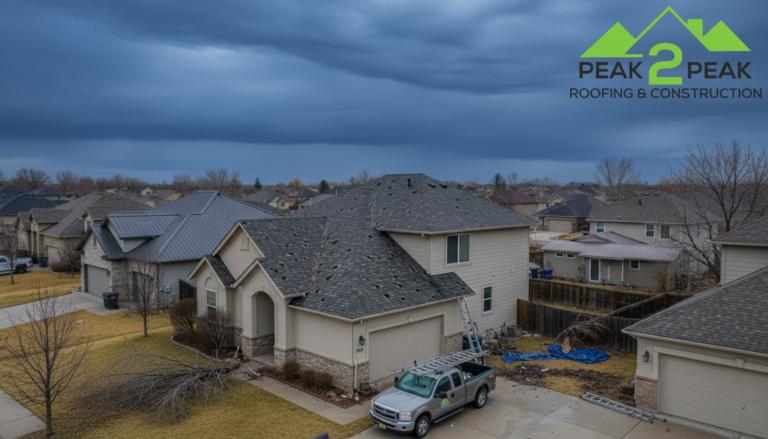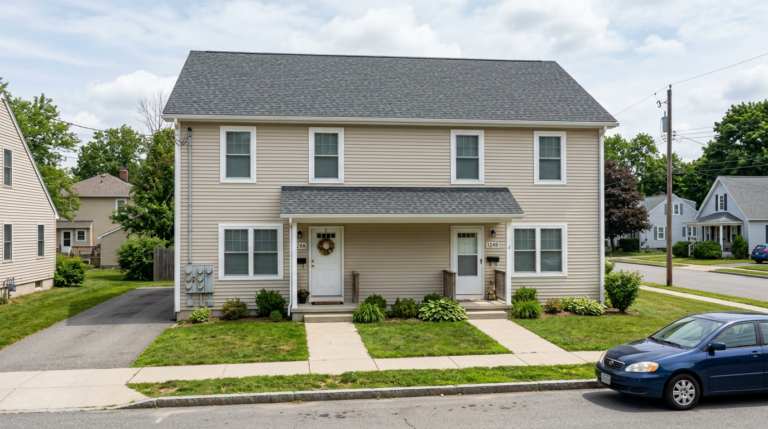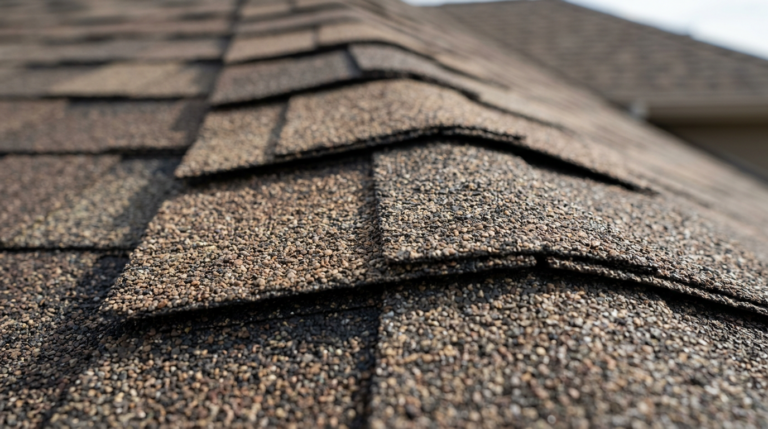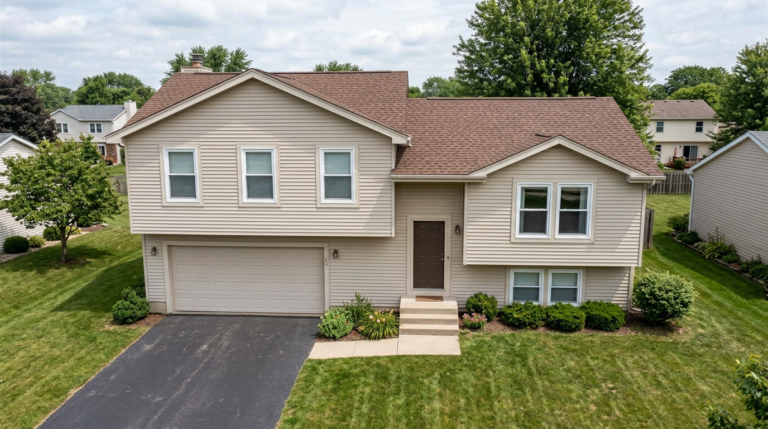
Are you looking for ridge vent installation in St. Joseph, Missouri? Peak 2 Peak Roofing and Construction installs ridge vent systems for residential and commercial properties throughout St. Joseph and all surrounding communities in northwest Missouri and northeast Kansas. We serve all of Buchanan County and reach Cameron, Savannah, Platte City, Weston, Lathrop, Smithville, Maryville, DeKalb, King City, Gower, and Atchison, Kansas. Proper attic ventilation — including balanced ridge vent and soffit vent systems — is one of the most important factors in your roof’s long-term performance and your home’s energy efficiency in St. Joseph’s demanding four-season climate.
Attic ventilation is one of the most underappreciated aspects of residential roofing in northwest Missouri. Many St. Joseph homeowners think of ventilation as a bonus feature rather than a fundamental requirement — something that would be nice to improve someday. In reality, inadequate attic ventilation is the single most common cause of premature shingle failure, ice dam formation, and elevated summer cooling costs in our region. The US Department of Energy and Energy Star both identify proper attic ventilation as a critical component of energy-efficient home performance. The International Residential Code requires a minimum of one square foot of net free ventilation area per 150 square feet of attic floor space. Many older St. Joseph homes fall well short of this standard — and their roofs age faster and their energy costs run higher as a direct result.
A ridge vent is the most effective passive exhaust vent for any sloped roof system. Installed at the roof’s peak, it works with soffit vents to create the convective airflow that keeps the attic cool in summer, cold in winter, and free of the moisture that causes wood rot, mold, and premature shingle degradation. The Energy Star program describes the system clearly: in summer, super-heated attic air exits through ridge vents as cooler outdoor air is drawn in through soffit vents, keeping attic temperatures close to ambient and reducing the heat load on the home’s cooling system. In winter, this same airflow keeps the roof deck cold — eliminating the temperature differential between the warm central roof surface and the cold eave that causes ice dams. Ridge vents are the simplest, most effective, and most durable solution to both summer heat accumulation and winter ice dam risk in St. Joseph homes.
How Ridge Vents Work
Ridge vents operate through natural convection — the physical tendency of warm air to rise. The system works as follows:
- Cool outdoor air enters the attic through soffit vents located along the eaves at the roof’s lowest points
- As the sun heats the roof deck and attic air warms, that warmer air rises toward the roof peak
- The ridge vent — a continuous opening covered by a protective external baffle — allows the warm, moisture-laden attic air to exit at the roof peak
- The exiting warm air draws more cool air in through the soffit vents, creating a continuous flow
- The baffle system on quality ridge vents creates negative pressure from wind flowing over the roof, enhancing the exhaust effect regardless of wind direction
The key principle is balance. The ridge vent’s exhaust capacity must not exceed the soffit vent’s intake capacity. When exhaust exceeds intake, the ridge vent attempts to draw air from inside the living space rather than through the soffit vents — reversing the intended airflow and causing moisture and energy problems. We assess the existing soffit vent capacity before sizing any ridge vent installation to ensure the system is correctly balanced.
Benefits of Ridge Vent Installation for St. Joseph Homes
- Extended shingle life — Excessive attic heat degrades asphalt binders, causes shingle blistering, and accelerates granule loss. A well-ventilated attic keeps shingle temperatures closer to ambient — manufacturers and industry research consistently show that properly ventilated roofs achieve full designed service life while underventilated roofs fail early.
- Ice dam prevention — By keeping the roof deck cold throughout winter, a balanced ridge-and-soffit vent system eliminates the temperature differential that causes snow to melt and refreeze at the eave edge. Ridge vent installation is often the most cost-effective long-term solution to recurring ice dam problems in St. Joseph homes.
- Reduced summer cooling costs — An attic without adequate ventilation can reach temperatures of 150 to 160 degrees Fahrenheit during St. Joseph’s summer heat. This extreme heat transfers into the living space below, dramatically increasing air conditioning loads. A properly ventilated attic stays much closer to ambient outdoor temperature, reducing cooling demand measurably.
- Moisture damage prevention — Daily household activities generate significant moisture that rises into the attic. Without adequate exhaust ventilation, this moisture condenses on the cold wood surfaces of the roof deck and framing, promoting wood rot, mold growth, and insulation degradation. Ridge vents provide the continuous exhaust that removes this moisture before it can accumulate.
- Aesthetic integration — Modern shingle-over ridge vents are virtually invisible from the ground. Unlike box vents or turbine vents that are clearly visible and affect the roof’s appearance, ridge vents blend with the ridge cap shingles to create a clean roofline profile.
📞 Schedule Your Ridge Vent Consultation: (816) 752-4589
Signs Your St. Joseph Home Needs Better Attic Ventilation
- Recurring ice dams at the eave edge during winter — the clearest indicator of inadequate attic ventilation
- High summer cooling costs that do not match the home’s size and insulation level
- Moisture, condensation, or frost on the underside of the roof deck visible from the attic during winter
- Shingles that are aging, blistering, or showing granule loss faster than expected for their age
- Mold or mildew staining on attic framing or sheathing
- Excessively hot second-floor rooms during summer even with air conditioning running
- Soffit vents blocked by insulation installed too close to the eave — a common issue in older St. Joseph homes that negates whatever exhaust ventilation is present
Our Ridge Vent Installation Process
- Attic ventilation assessment — We calculate the existing net free ventilation area from soffit vents and compare it to the IRC requirement for your attic square footage. We identify whether existing soffit vents are blocked by insulation — the most common reason otherwise adequate vent systems fail to perform.
- Ridge vent sizing — We determine the correct ridge vent linear footage to match your soffit intake capacity for a balanced system.
- Deck slot cutting — An air slot is carefully cut along the roof deck at the ridge line — leaving the last inch or two of decking on each side intact to maintain structural continuity of the deck.
- Ridge vent installation — Quality ridge vent product (we install GAF Cobra and comparable products) is secured over the deck slot per manufacturer specifications.
- Ridge cap installation — New ridge cap shingles are installed over the ridge vent, completing the weatherproof finish and the visual integration with the rest of the roofline.
- Soffit vent clearance — If existing soffit vents are blocked by insulation, we install rafter baffles to create and maintain clear air channels from the soffit to the open attic space above the insulation.
Ridge vent installation is most cost-effective when performed during a full roof replacement — the deck is already accessible and the ridge cap is already being installed. We also install ridge vents as a standalone improvement on existing roofs where the attic ventilation need is identified in an annual inspection. See our full roofing services for St. Joseph.
Frequently Asked Questions: Ridge Vent Installation in St. Joseph
Do I need a ridge vent if I already have box vents or gable vents?
Mixing ridge vents with other exhaust vent types on the same roof can disrupt intended airflow. If upgrading to ridge vents, existing box or gable vents should typically be sealed to create a consistent soffit-to-ridge airflow path. We assess your specific situation during the free consultation.
Will ridge vents leak in St. Joseph’s heavy rains?
Quality ridge vents include external baffle systems engineered to resist wind-driven rain and snow while allowing free airflow. Correctly installed with proper overlap and sealed end caps, ridge vents do not leak. Poor installation — insufficient overlap or missing end caps — creates risk.
Can ridge vent installation reduce ice dam problems?
Yes. Ridge vents keep the roof deck uniformly cold in winter by flushing attic heat with cold outdoor air. Combined with adequate attic insulation and air sealing, balanced ridge-and-soffit ventilation eliminates the temperature differential that forms ice dams.
How much does ridge vent installation cost in St. Joseph?
As part of a full roof replacement, minimal incremental cost and our standard recommendation. Standalone additions to existing roofs involve deck slot cutting, vent installation, and new ridge cap. We provide a written estimate for your specific ridge length during the free assessment.
Does Peak 2 Peak install ridge vents throughout St. Joseph?
Yes — residential and commercial properties throughout St. Joseph and all surrounding northwest Missouri communities. Free ventilation assessments included in every roof inspection. Call (816) 752-4589 to schedule.
Ridge Vent Installation Resources
- Energy Star – About Attic Ventilation – Federal guidance on attic ventilation requirements, balanced systems, and the role of ridge and soffit vents in energy efficiency and roof longevity.
- GAF: What Is a Ridge Vent? – Manufacturer guidance on ridge vent function, sizing, and the importance of balanced intake and exhaust ventilation systems.
- Wikipedia: Attic – Background on attic construction, ventilation principles, and the performance role of attic airflow in residential buildings.
- National Roofing Contractors Association (NRCA) – Professional installation standards for ridge vent systems in residential roofing applications.
Key Takeaways
- Balanced ridge-and-soffit vent systems are the most effective passive attic ventilation solution for St. Joseph’s four-season climate, addressing summer heat, winter ice dam risk, and year-round moisture management simultaneously.
- Inadequate attic ventilation accelerates shingle aging, causes ice dams, raises summer cooling costs, and promotes moisture damage — all preventable with proper ridge vent installation.
- Ridge vent installation is most cost-effective during a full roof replacement but can be added to existing roofs where the ventilation need is identified through inspection.
- Peak 2 Peak installs ridge vent systems with balanced sizing to existing soffit vent capacity throughout St. Joseph and all surrounding northwest Missouri communities.
- Never mix ridge vents with other exhaust vent types on the same roof — the combination disrupts intended airflow and reduces the effectiveness of the entire system.
Your attic ventilation system is working around the clock to protect your roof and control your energy costs. If it is not sized and balanced correctly, you are paying more to cool your home and shortening your roof’s service life simultaneously. Call Peak 2 Peak Roofing today for a free attic ventilation assessment and find out whether ridge vent installation makes sense for your St. Joseph home.
Peak 2 Peak Roofing and Construction
7000 MO-371
St. Joseph, MO 64504
Phone: (816) 752-4589
Email: [email protected]
Website: www.peak2peakroofing.com
View Our Google Business Profile