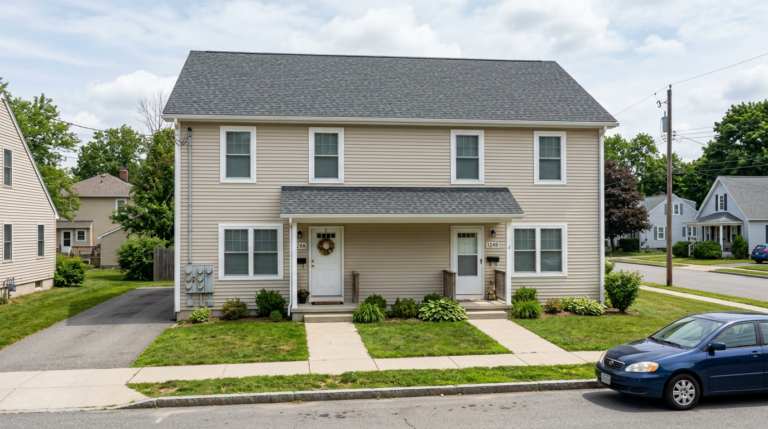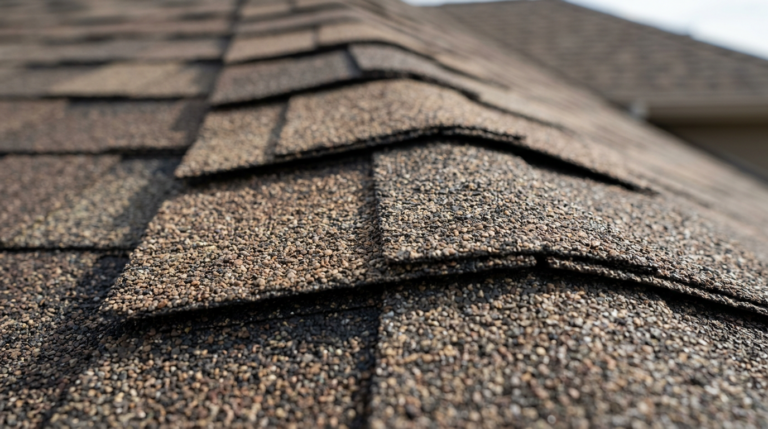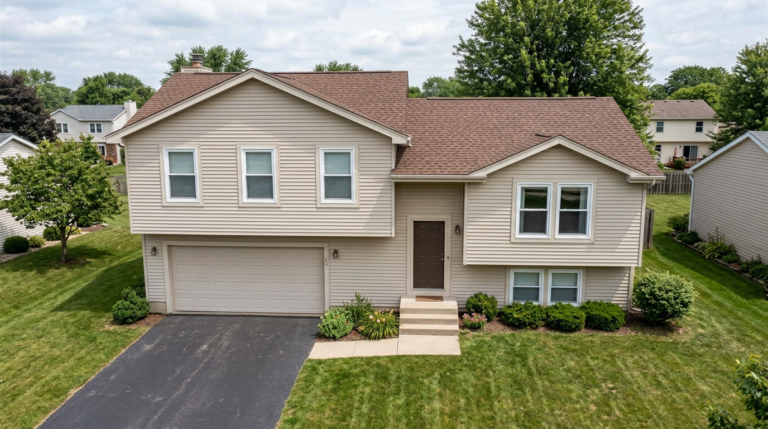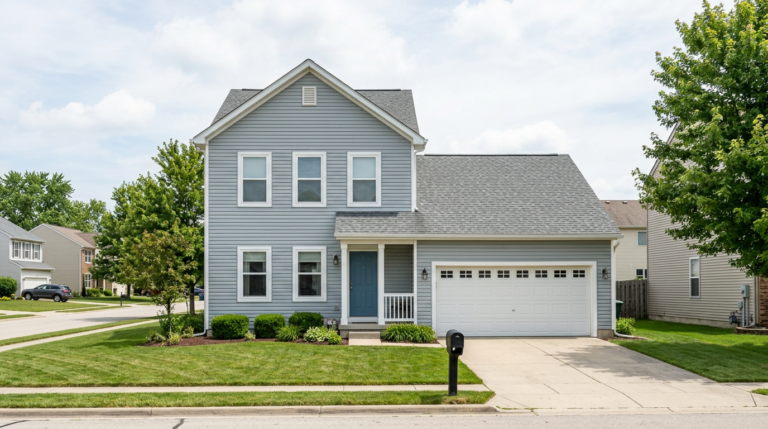
Do you have a leak in your roof valley in St. Joseph, Missouri? Peak 2 Peak Roofing and Construction provides roof valley repair and replacement throughout St. Joseph and every surrounding community in northwest Missouri and northeast Kansas. We are available 24 hours a day, 7 days a week for active leak situations. We cover all of Buchanan County and serve Cameron, Savannah, Platte City, Weston, Lathrop, Smithville, Maryville, DeKalb, King City, Gower, and Atchison, Kansas. Valley leaks are some of the most damaging and persistent roof problems St. Joseph homeowners face — and among the most frequently misdiagnosed. We find the true source and fix it properly.
Roof valleys are the channels formed where two sloping roof planes intersect. They handle more concentrated water flow than any other section of your roofing system. Every drop of rain that falls on two adjacent roof slopes funnels into that valley and rushes toward the gutter. That volume of water, combined with the debris accumulation that valleys attract and the thermal stress from seasonal temperature cycles, makes valleys one of the most vulnerable areas on any roof. In St. Joseph homes — particularly those with complex rooflines featuring dormers, additions, or intersecting gable and hip planes — valley failures account for a significant share of the roof leak calls we receive each year.
The Missouri River valley geography surrounding St. Joseph creates a climate that tests roofing materials hard. Heavy spring rains send high-volume water through roof valleys at speed. Summer heat causes thermal expansion that stresses every metal flashing component. Fall brings leaves and debris that dam valley channels and back water under shingle edges. And northwest Missouri winters create ice dam conditions that force meltwater backward through already-stressed valley seams. Understanding how your valley is constructed and what threatens it lets you catch problems early — before a small flashing failure becomes a major ceiling repair.
Types of Roof Valleys and How They Fail
The three main valley construction methods each have specific failure modes our inspectors assess during every valley repair call:
- • Open metal valley — A visible channel of aluminum or galvanized steel flashing runs the length of the valley. Shingles are trimmed back from the metal on both sides. Open valleys are the most durable design when installed correctly because they allow unrestricted water flow and the metal can be inspected visually. They fail through corrosion when the protective coating is compromised, through hail impact that creates small punctures or tears in the metal channel, and through improper nailing when fasteners are driven too close to the center of the valley, creating puncture points in the high-water-flow zone.
- • Closed-cut valley — Shingles from one slope run across the valley and are trimmed to a clean line. Shingles from the adjacent slope are cut to overlap the centerline by several inches. A properly installed closed-cut valley uses an ice-and-water shield membrane beneath the shingles as the primary waterproofing layer, with the shingles above providing secondary protection. These fail when the ice-and-water shield is absent or inadequate, when nails are driven within six inches of the valley centerline creating leak points, and when debris accumulation under the overlapping shingle edge holds moisture against the material for extended periods.
- • Woven valley — Shingles from both slopes are woven together across the valley in an alternating pattern without metal flashing. Woven valleys are generally considered the least durable option. The woven shingles are bent at an angle, creating stress at the fold that accelerates cracking and granule loss. High water volume in the valley wears the bent shingle material faster than flat-lying shingles elsewhere on the roof. We assess woven valleys carefully for premature deterioration and often recommend conversion to an open or closed-cut system when a woven valley has failed repeatedly.
Signs Your Roof Valley Needs Repair in St. Joseph
- • Water stains on interior ceilings or walls, especially appearing after heavy rain events or spring snowmelt
- • Visible rust staining or corrosion on open valley metal flashing visible from the ground
- • Shingles that appear lifted, cracked, or displaced along the valley edges
- • Heavy debris accumulation in the valley creating a dam that holds water against shingle edges
- • Missing or damaged shingles within the valley section after wind events
- • Granule accumulation concentrated in the valley area, indicating accelerated wear from high-volume water flow
- • Visible daylight through the valley when viewed from the attic below
A diagnostic note: valley leaks often show up on ceilings well away from the valley itself. Water entering through a valley failure travels along rafters and sheathing before dripping into the living space at a low point that may be several feet from the valley’s location. Do not assume a ceiling stain unrelated to the valley rules out the valley as the source.📞 Free Valley Repair Inspection: (816) 269-7874
Our Roof Valley Repair Process in St. Joseph
- • Free diagnostic inspection — We access the roof and assess the specific valley type, condition, and failure mode. We examine the ice-and-water shield beneath the valley, the flashing or shingle condition at the valley surface, and the attic directly below for moisture evidence.
- • Photo documentation — Every area of valley damage is photographed before any repair begins. You see exactly what we found and where.
- • Honest scope recommendation — We tell you specifically what failed and what the correct repair involves. A minor flashing separation in an open valley may require only targeted patching with matching metal and sealant. A woven valley that has failed repeatedly needs full conversion to a more durable system.
- • Proper repair execution — We remove shingles adjacent to the valley as needed, replace or install ice-and-water shield membrane, install new matching flashing in open valley applications, re-shingle with correct nail placement keeping all fasteners a minimum of six inches from the valley centerline, and seal all edges and flashing overlaps correctly.
- • Post-repair assessment — We examine the completed repair and all adjacent valley sections to confirm the repair is watertight and no secondary failure points were missed during the process.
Keeping St. Joseph Roof Valleys Performing Well
After a valley repair, these maintenance practices protect the system:
- • Clear debris from valley channels at least twice per year — fall after leaf drop and spring after winter debris accumulation. Debris dams force water under shingle edges regardless of how well the valley was originally installed.
- • Keep overhanging branches trimmed to reduce debris volume dropping directly into valleys.
- • Schedule a professional inspection after any significant hail event — hail impacts open metal valley flashing at an angle that can create micro-tears invisible from the ground.
- • Have ice dam conditions addressed promptly. Ice backing up through valley channels is one of the most damaging winter roof events in northwest Missouri.
Our full roof inspection and repair service covers valley assessment as part of every routine inspection. Learn more about our complete roofing services for St. Joseph.
Frequently Asked Questions: Roof Valley Repair in St. Joseph
Why do roof valleys leak more than other roof areas?
Valleys concentrate total water runoff from two roof slopes into one channel. High-volume, high-velocity water creates more material wear, debris accumulation, and thermal stress on flashing than any other roof location. In St. Joseph’s climate, valleys face exceptional ongoing stress from heavy rains and winter freeze-thaw cycles.
Can a valley be repaired without replacing the whole roof?
Yes. Valley repair is typically a targeted operation removing only the adjacent shingles, repairing or replacing flashing and underlayment, and re-shingling the affected area. Full replacement is only warranted when the surrounding shingle system has also reached end of life.
What is the best valley type for St. Joseph’s climate?
Open metal valleys with aluminum or galvanized steel flashing plus ice-and-water shield underlayment provide the most reliable long-term performance. The open channel allows unrestricted water flow and visual inspection. Properly installed closed-cut valleys with adequate ice-and-water shield are also durable.
How quickly can Peak 2 Peak repair a leaking valley?
Same-day or next-day for active leaks throughout St. Joseph and all surrounding communities. Call (816) 269-7874 to get scheduled immediately.
Does debris in valleys cause leaks?
Yes. Leaves and debris create dams that force water under shingle edges above the blockage. Clearing valleys twice per year eliminates this very common cause of interior ceiling stains in St. Joseph’s tree-lined neighborhoods.
Roof Valley Resources
- • National Roofing Contractors Association (NRCA) – Professional standards for roof valley installation and flashing repair.
- • GAF: What Is a Roof Valley? – Manufacturer guidance on valley types, installation standards, and maintenance best practices.
- • Wikipedia: Flashing (Weatherproofing) – Background on roofing flashing types and applications including valley flashing systems.
- • NWS Pleasant Hill – St. Joseph Region – Local storm data and severe weather tracking for Buchanan County.
Key Takeaways
- • Roof valleys concentrate water flow from two roof slopes, making them the most wear-prone area of any roofing system.
- • Open metal, closed-cut, and woven valleys each have specific failure modes — correct diagnosis determines the right repair approach.
- • Debris accumulation in valleys is a common and preventable cause of interior leaks in St. Joseph homes with tree coverage.
- • Peak 2 Peak provides free valley repair inspections and honest scope recommendations throughout St. Joseph and all northwest Missouri surrounding communities.
- • Regular clearing and post-storm inspection of valley channels extends the service life of any valley system significantly.
A leaking roof valley does not improve on its own. Each rain event adds more water damage to the interior below. Call Peak 2 Peak Roofing today for your free valley inspection — we find the source, fix it permanently, and protect your home from the next storm.
Peak 2 Peak Roofing and Construction
7000 MO-371
St. Joseph, MO 64504
Phone: (816) 269-7874
Email: [email protected]
Website: www.peak2peakroofing.com
View Our Google Business Profile