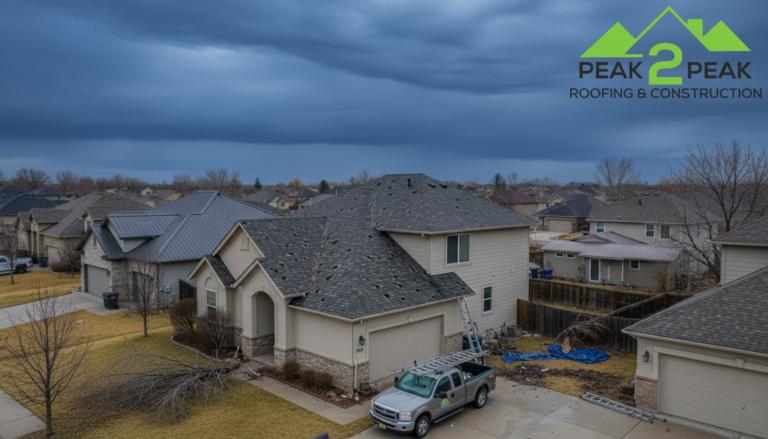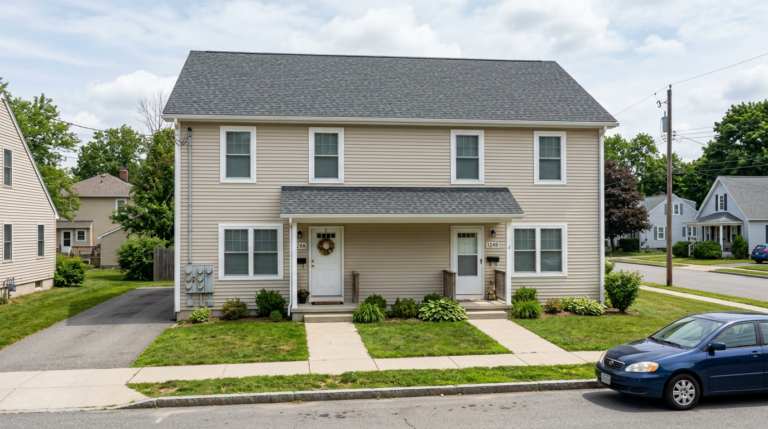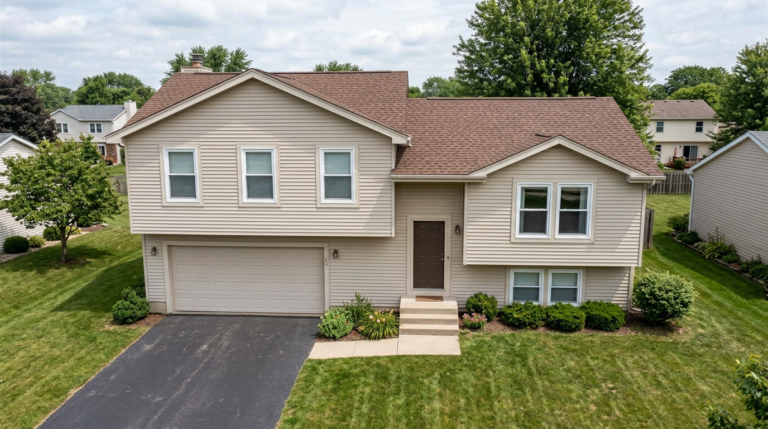
Did a tree or large branch fall on your roof in St. Joseph, Missouri? Peak 2 Peak Roofing and Construction provides fast emergency tree damage roof repair throughout St. Joseph and every surrounding community in northwest Missouri and northeast Kansas. We are available 24 hours a day, 7 days a week. We cover all of Buchanan County and serve Cameron, Savannah, Platte City, Weston, Lathrop, Smithville, Maryville, DeKalb, King City, Gower, and Atchison, Kansas. Tree impact on a roof is one of the most urgent situations a homeowner can face — call (816) 752-4589 right now if a tree or heavy branch has struck your home.
St. Joseph’s beautifully canopied neighborhoods are one of the city’s most distinctive features. The mature oaks, maples, and elms that line residential streets throughout Robidoux Hill, the historic districts, and the established subdivisions across Buchanan County provide shade, character, and real property value. They are also a source of roof damage risk during every significant storm season. When severe thunderstorms, high winds, or ice loading cause a large branch or full tree to fall on a St. Joseph home, the consequences can range from surface shingle damage to catastrophic structural compromise. The response to a tree impact must begin immediately — with life safety first, then stabilization of the structure, then professional assessment and repair.
Northwest Missouri’s storm season, combined with the region’s mature tree canopy, creates recurring tree fall risk for St. Joseph homeowners. Derecho wind events, severe thunderstorms, and winter ice storms that load tree limbs beyond their structural capacity all produce the conditions for tree impacts on residential roofs. The combination of high winds and saturated soil from heavy rains — a common spring storm pattern in Buchanan County — is particularly dangerous because root systems lose soil anchorage in wet ground, making full tree falls more likely during major wind events than during drought conditions.
Immediate Steps After a Tree Hits Your Roof in St. Joseph
- Get everyone out if the structure is compromised — If a large tree has fallen on your home and you can hear or see structural movement, cracking, or significant sagging, evacuate the building immediately and call 911. A severely compromised structure is a life safety emergency before it is a roofing emergency.
- Do not re-enter if there is doubt about structural safety — A large tree on a roof can compromise rafters, ridge beams, and load-bearing walls in ways that are not immediately obvious from inside the home. If the damage appears significant, wait for a structural assessment before re-entering.
- Call Peak 2 Peak immediately at (816) 752-4589 — We respond 24/7 for tree damage emergencies throughout St. Joseph and all surrounding communities. Our team stabilizes the structure through emergency tarping and temporary bracing, then conducts a full damage assessment.
- Document everything before anyone removes the tree — Photograph the fallen tree or branch, the damage to the roof, and all visible structural impact before any debris is removed. This documentation is essential for the claims process and for establishing the full scope of damage that the impact caused.
- Do not attempt to climb onto the damaged roof — A roof that has sustained tree impact may have compromised decking, cracked rafters, or structurally weakened areas that are not visible from the surface. Only qualified roofing professionals with appropriate safety equipment should access a tree-damaged roof.
What Tree Damage Does to a Roof
The type and extent of damage depends on the size of the tree or branch, the impact angle, the point of contact on the roof structure, and the existing condition of the roofing and structural components. Tree impacts cause damage in several distinct categories:
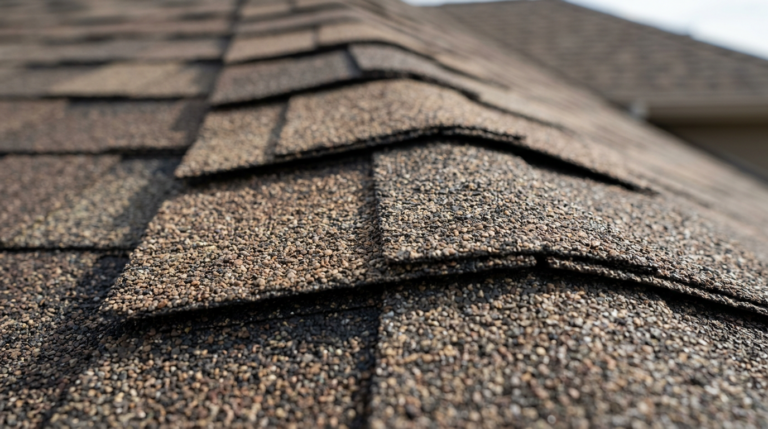
- Surface material damage — At the minimum, any tree impact displaces, cracks, or punctures the roofing material at the impact location. Even a branch impact that does not penetrate the deck creates shingle damage that exposes the underlayment to weather. This is the simplest form of tree impact damage and requires targeted repair of the affected shingles and underlayment.
- Deck penetration — Larger branches falling with force penetrate the shingle system and the plywood decking below, creating a direct opening into the attic space. Water enters through this opening immediately during any rain event. Emergency tarping is the critical first step after a deck-penetrating impact.
- Rafter or structural framing damage — A full tree or very large limb falling on a roof can crack, split, or sever roof rafters. Damaged rafters affect the structural integrity of the roof and sometimes the wall framing below the impact point. Structural framing repair is required before any roofing material installation and must be completed by qualified contractors familiar with residential framing.
- Ridge or hip beam damage — Impacts at or near the ridge line can damage the ridge board or ridge beam that runs the length of the roof at its peak. Ridge damage affects the entire structural system of the roof and requires careful assessment before repair scope can be determined.
- Secondary interior water damage — Even a relatively brief opening in the roof from a tree impact allows water to enter the attic, soak the insulation, and begin tracking along rafters and joists to interior ceiling areas. The interior damage from a tree impact often exceeds the visible exterior damage and must be factored into the full assessment.
📞 Emergency Tree Damage Response — 24/7: (816) 752-4589
Our Tree Damage Roof Repair Process in St. Joseph
- Emergency response and stabilization — We arrive promptly, safely access the damaged roof, and install a heavy-duty emergency tarp over the impact area. The tarp must extend well past the damaged zone and over the ridge to prevent water entry under the tarp from the uphill side.
- Comprehensive damage documentation — Every area of impact damage is photographed and documented at high resolution before any repair work begins. This documentation covers the exterior roof, the attic space below the impact, and any interior areas showing evidence of water infiltration.
- Structural assessment — We assess every rafter, sheathing section, and structural element in the impact zone for damage. When significant structural framing damage is present, we coordinate with structural resources to ensure proper repair before new roofing material is installed.
- Complete written scope of repair — We provide a detailed written repair scope covering all damaged roofing components identified during the assessment. This written scope documents the full extent of damage for the claims process and gives you a clear picture of everything involved in restoring the roof.
- Repair execution — Structural framing is repaired or sistered as needed. New decking is installed over the impacted area. New underlayment, ice-and-water shield, and roofing material are installed per manufacturer specifications. All flashing in the impacted area is inspected and replaced as needed.
- Interior moisture remediation guidance — We identify interior water infiltration areas and can coordinate recommendations for insulation and interior repair needs resulting from the impact.
Preventing Tree Damage in St. Joseph
While no tree management program eliminates all risk during the most severe storms, proactive steps significantly reduce the likelihood of tree impacts on your St. Joseph home:
- Have a certified arborist assess mature trees within falling distance of your home every three to five years. Diseased, dead, or structurally compromised trees should be removed before storm season.
- Prune overhanging limbs that extend over the roof surface. Even without a full tree fall, branch rubbing on roofing material accelerates granule loss and shingle wear.
- Address trees showing signs of root stress — heaving ground at the base, visible root exposure, or a noticeable lean — before significant storms arrive. Trees with compromised root systems are most likely to fall during the saturated-soil conditions that accompany St. Joseph’s heavy spring rains.
Our free roof inspections always include assessment of any tree contact or overhang conditions we observe during the inspection.
Frequently Asked Questions: Tree Damage Roof Repair in St. Joseph
What should I do immediately after a tree falls on my roof?
Life safety first — evacuate if the structure appears compromised, call 911 if needed. Then call Peak 2 Peak at (816) 752-4589 for 24/7 emergency response. Document everything with photos before the tree is removed. Never climb onto a tree-damaged roof yourself.
How does Peak 2 Peak respond to tree damage emergencies?
Available 24/7 throughout St. Joseph and all surrounding communities. We respond promptly, install emergency tarping to stop water intrusion, document all damage, and provide a complete written repair scope before any repair work begins.
Can a tree impact cause structural damage?
Yes. Large trees or heavy limbs can crack or sever rafters, damage ridge boards, and compromise structural integrity of the impacted section and sometimes adjacent wall framing. Our assessment includes evaluation of all structural components before repair scope is determined.
Do I need the tree removed before repairs can start?
Yes, before permanent repairs begin. We can coordinate with tree services to sequence the work correctly. Emergency tarping can be installed with the tree partially in place to stop water intrusion while removal is arranged.
How do I document tree damage for a property claim?
Photograph everything before the tree is removed — the fallen tree, the impact location from multiple angles, any interior ceiling or attic damage. Our written assessment provides professional documentation and a scope that supports the claims process. We can be present during the adjuster’s site visit.
Tree Damage Roof Repair Resources
- NWS Pleasant Hill – St. Joseph Region – Real-time storm alerts and severe weather tracking for northwest Missouri that indicate elevated tree fall risk conditions.
- International Society of Arboriculture (ISA) – Professional standards for tree risk assessment and find a certified arborist near St. Joseph for proactive tree management.
- Wikipedia: Fallen Trees – Background on the conditions that produce tree falls and the structural damage potential of trees falling on residential buildings.
- Ready.gov – Severe Weather Safety – Federal guidance on severe weather preparedness and post-storm safety for homeowners including structural damage response.
Key Takeaways
- Life safety is the first priority after a tree falls on your St. Joseph home — evacuate if there is any doubt about structural integrity and call 911 if needed.
- Tree impacts range from surface shingle damage to catastrophic structural compromise — only a professional assessment determines the true scope after any significant impact.
- Peak 2 Peak provides 24/7 emergency tree damage response including emergency tarping, structural assessment, complete damage documentation, and full repair throughout St. Joseph and all northwest Missouri communities.
- Document everything with photos before the tree is removed — this documentation is essential for the property claims process.
- Proactive tree management — arborist assessment every three to five years, removal of diseased or structurally compromised trees, and pruning of overhanging limbs — significantly reduces tree impact risk for St. Joseph homeowners.
Tree damage on your roof does not give you time to wait and see. Every hour of rain through an unprotected impact adds more damage. Call Peak 2 Peak Roofing right now at (816) 752-4589 — we respond 24 hours a day and know exactly what to do to protect your St. Joseph home.
Peak 2 Peak Roofing and Construction
7000 MO-371
St. Joseph, MO 64504
Phone: (816) 752-4589
Email: [email protected]
Website: www.peak2peakroofing.com
View Our Google Business Profile